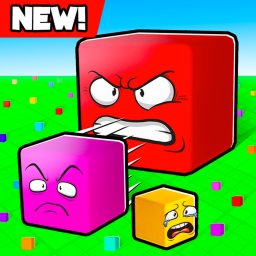
Biggest Cube Simulator
A Roblox experience owned by Dynamic Studios Official.
SimulatorENcube collectingsize progressionsimulator
Biggest Cube Simulator is a Roblox experience in the simulator genre, created on September 9, 2023. The game has accumulated 3,656,084 lifetime visits and 1,480 favorites. Currently, zero users are playing. The title holds a 74% like percentage, indicating the measured engagement metrics for this specific entry.
Description (written by the developer; not a statement by this register)
🔴Welcome to Eat Cubes Simulator🔴 👍 Next HUGE Update @ 2000 Likes! 🌟Use code 3M for INSTANT 100k SIZE! 🔽 PATCH 8.5 🔽 ✨ NEW CODES: NEWPATCH, SPIN, 5000 MEMBERS 👔 NEW LIMTED SKIN 🐛 BUGFIXES How To Play 🏃 Collect Cubes around the Map 🏃 👾 Split into multiple Cubes 👾 💀 Collect Skulls and unlock New Skins 👕 ⚔️ Defeat players smaller than you ⚔️ 🏆 Become the Strongest in the game 🏆 💾 Speed doesn't save after you leave! 📜 You will loose 50% of Size when leaving! Collect cubes and defeat weaker players to become the best cube in this intense collecting simulator! ⚠️ Important: All purchases except for Skulls and Skins are NOT permanent and last for 1 life. v. 2.7
Last updated by the developer 24 Jul 2025, 02:37 UTC.
Live players over time
Growth
Growth history is still building. We hold one measurement for this entry. A trend needs at least two, taken days apart — so this will fill in on its own rather than being estimated. We do not publish numbers we have not measured.
| Measured (UTC) | Players | Change |
|---|---|---|
| 10 Aug 2026, 20:31 | 0 | first reading |
Concurrent players at each of our measurements (insert-on-change).
Monetization — game passes
Game passes for sale and their prices, measured from the Roblox passes API. Developer products bought inside the game aren’t publicly listable.
Badge funnel
How many players have ever earned each badge — a proxy for how far players get before they stop. Steep drop-offs mark where a game loses people. Win rate is the past-day share of players who earned it; categories are assigned by a language model from each badge’s own name and description.