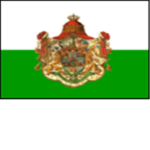
Kingdom of Saxony #1213495
OtherENHistoryGermanyEducation
Description
The Kingdom of Saxony (German: Königreich Sachsen) is an independent member of a number of historical confederacies in Europe. From 1871 it was part of the German Empire. It became a Free state in the era of Weimar Republic in 1918 after the end of World War I and the abdication of King Frederick Augustus III of Saxony. Its capital is the city of Dresden. Before 1806 Saxony was part of the Holy Roman Empire, a thousand-year-old entity which had once aspired to be a single state, but had become highly decentralised over the centuries. The rulers of Electorate of Saxony had held the title of elector for several centuries. When the Holy Roman Empire was dissolved following the defeat of Emperor Francis II by Napoleon at the Battle of Austerlitz, the electorate was raised to the status of an independent kingdom with the support of France, then the dominant power in Central Europe. The House of Saxony is a dynasty of German counts, dukes, prince-electors (Kurfürsten) and kings.
Written by the group; not a statement by this register.
Membership history
Growth
Growth history is still building. We hold one measurement for this entry. A trend needs at least two, taken days apart — so this will fill in on its own rather than being estimated. We do not publish numbers we have not measured.
| Measured (UTC) | Members | Change |
|---|---|---|
| 11 Aug 2026, 04:32 | 18 | first reading |
Ownership
Owned by @007paolo as measured.
Groups seen changing owner — the largest ever handed over and the most recent — are on the ownership transfers board.
Members we’ve seen
@007paolo — Konig Carlo von Saxony (rank 255)
@roblockman1234 — Middle Class Citizen (rank 2)
A sample — only members this register has independently measured, highest rank first. Not the full roster.
Rank structure
Roles and per-rank member counts as Roblox reports them (rank 0 = guest … 255 = owner).
Related groups
Groups whose measured members overlap with this one — a sample from our membership graph.
Open data
Download this group’s measured record — free to reuse with attribution: membership history (CSV) · full record (JSON)
Each file carries its licence and retrieval time inside it, and is generated from the same measurements shown above.